North Dakota Badlands
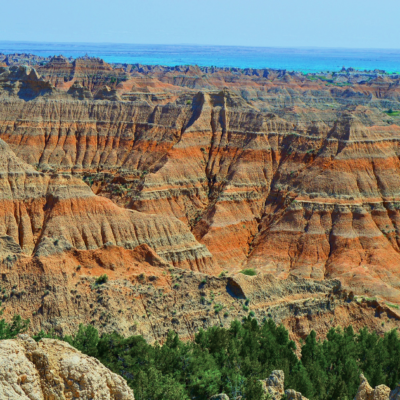
The North Dakota Badlands are a massive, 200-mile-long geological region, of rugged, semi-arid expanse of deep canyons, hoodoos, and eroded rock formations spanning western North Dakota along the Little Missouri River. The Lakota people called this region “mako sica,” or “bad lands,” long ago because of its difficult terrain, lack of water and extreme temperatures which made it very difficult to traverse. Today, the Badlands are an awesome place for hiking, fossil hunting, and spotting wildlife. Culture & HistoryThe North Dakota Badlands are one of America’s most rugged and inspiring landscapes....
North Carolina
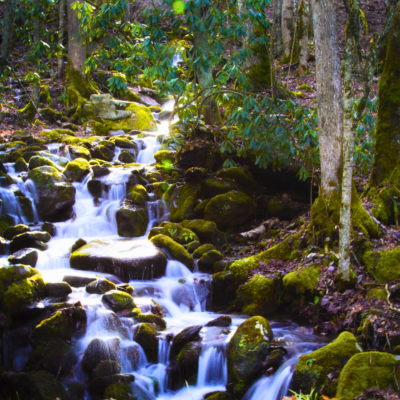
Culture & History: North Carolina is a state of “firsts.” It was the site of the first attempted English settlement at Roanoke Island (the famous “Lost Colony”) and the location of the Wright Brothers’ first flight at Kitty Hawk in 1903. Its nickname, the “Tar Heel State,” dates back to the colonial era when the region was a leading producer of pine tar, used to waterproof wooden ships; legend has it that soldiers would “stick” to their positions in battle like tar. Nature Highlights: The state is a topographical masterpiece,...
Montana
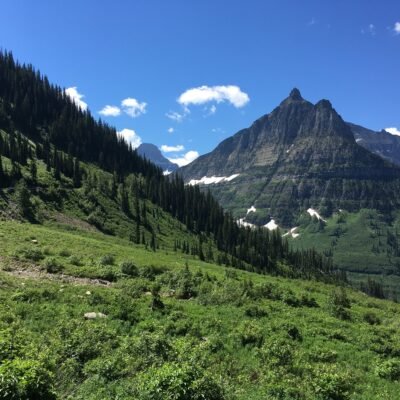
Culture & History: Montana’s identity is forged in the “Richest Hill on Earth.” In the late 1800s, the city of Butte was so wealthy from copper mining that it had more millionaires per capita than any other city in the world. Today, that grit lives on in the state’s legendary endurance culture, where runners share the spirit of the early pioneers and homesteaders. Nature Highlights: This is the land of the Continental Divide. In Glacier National Park, Triple Divide Peak is a hydrological rarity—water from this single point flows toward...
Sagres
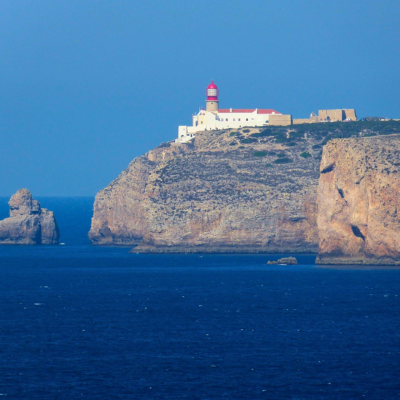
The Southwestern tip of Europe, where the land ends and the sea begins. Culture & History: Home to the Sagres Fortress and the legendary nautical school of Prince Henry the Navigator. It feels wild, remote, and powerful. Nature Highlights: Cabo de São Vicente, the windiest point in Europe, with 60-meter high cliffs. Running: The 14.5km route from Sagres to Cabo de São Vicente is an iconic “bucket list” run. It’s mostly flat but can be very windy. The Fortress Loop (2km) is perfect for a quick sunset jog. Clubs: Very...
Faro
The capital of the Algarve, Faro is often overlooked but offers some of the best flat-ground running in the region. Culture & History: The Cidade Velha (Old Town) is entered through the neoclassical Arco da Vila. Don’t miss the Bone Chapel (Capela dos Ossos) for a bit of macabre history. Nature Highlights: The Ria Formosa Natural Park, a labyrinth of canals, islands, and marshes. Running: The Ludo Trail near the airport is a runner’s dream—flat, gravel paths through salt pans where you can see flamingos. The run out to Faro...
Aljezur
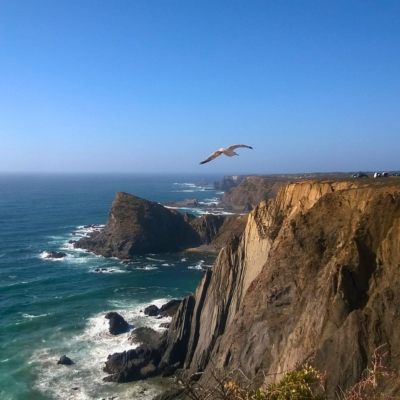
A surfer’s paradise that has become a cult favorite for trail runners due to its rugged cliffs. Culture & History: Split into the “Old Town” (built on a hill around a 10th-century Moorish castle) and the “New Town.” It is famous for its sweet potatoes. Nature Highlights: Praia da Amoreira and Praia da Arrifana. The cliffs here are part of the Parque Natural do Sudoeste Alentejano. Running: The Fishermen’s Trail (part of Rota Vicentina) is spectacular but demanding, with many sections on soft sand. The loop around Ponta da Atalaia...
Odemira
The largest municipality in Portugal, Odemira is the gateway to the “wild” Alentejo coast. Culture & History: A hilly town known for its traditional pottery and the Mira River. It feels less like a tourist hub and more like an authentic working Alentejo town. Nature Highlights: The Mira River is one of the cleanest in Europe. The surrounding hills offer deep green valleys that contrast with the nearby coast. Running: Odemira has several trails to discover, and is a good base for the Rota Vicentina Historical Way, a long-distance trail...
Alcácer do Sal
A historic riverside town where the Sado River mirrors the white-washed houses and the medieval castle. Culture & History: Founded by the Phoenicians, it was the Roman city of Salacia. The Castle of Alcácer do Sal dominates the skyline and houses an archaeological crypt. The town’s identity is tied to salt production and rice cultivation. Nature Highlights: The Sado Estuary is a sanctuary for flamingos and storks. The surrounding landscape is a patchwork of vast rice paddies and cork oak forests. Running: The TransAlentejo “Alcácer do Sal” trail (starting at...
Coruche
The world capital of Cork, set in the heart of the Ribatejo plains. Culture & History: Deeply tied to the cork industry and horse breeding. It has a very traditional, rural Portuguese feel with high-quality crafts. Nature Highlights: The Sorraia River and the vast Montado (cork oak forest) landscape. It is also a famous spot for hot-air ballooning. Running: The Sorraia Riverfront has a dedicated path. For long, flat distance training, the agricultural roads through the cork forests are quiet and earthy. Clubs: The Associação de Atletismo de Santarém oversees...