Tongariro National Park
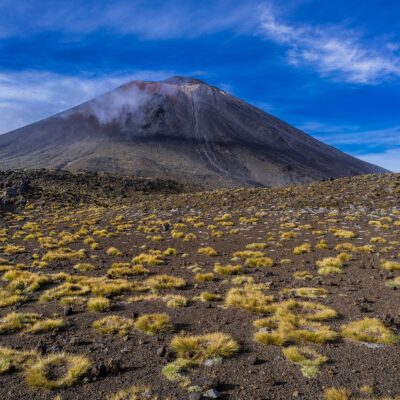
In 1990 the park was recognized as a World Heritage Site for its outstanding natural values and a wide variety of habitats. The volcanoes are noted for the frequency of eruptions, their highly explosive nature and the high density of volcanic vents. In 1993 Tongariro National Park was the first listed World Heritage Site for the spiritual and cultural values the landscape possesses for the indigenous people in the area. The mountains symbolize the spiritual links between the Maori people and its environment.
Cape Reinga
The most northern point and for Māori the most spiritually significant place in New Zealand.An ancient pohutukawa tree and a lonely lighthouse mark the cape. It’s believed that the spirits of deceased Maori leap from this tree into the ocean to return to their ancestral homeland of Hawaiki.
Ténéré desert
Air and Ténéré Natural Reserves is the largest protected area in Africa, covering some 7.7 million ha, though the area considered a protected sanctuary constitutes only one-sixth of the total area. It includes the volcanic rock mass of the Aïr, a small Sahelian pocket, isolated as regards its climate and flora and fauna, and situated in the Saharan desert of Ténéré. The reserves boast an outstanding variety of landscapes, plant species and wild animals.
Agadez
Agadez is the center of the Sahara, a town of a mostly Muslim population, landmarked by the tall Agadez Mosque, also known as the Grande Mosquée d’Agadez. “The gateway to the desert” was also the center for the caravan trade. Nowadays it’s the migration hub for people hoping for a better future in Europe. Agadez Mosque was built in 1515 when the city was captured by the Songhai Empire. The 27 m tall minaret has served for centuries to watch out for enemies and invited caravans to Agadez.